Asphalt Sealcoating Contractor

Protect Your Investment with Professional Asphalt Sealcoating

At APS, we know that every paved surface, whether residential or commercial, needs protection from Arizona’s sun, seasonal rain, and everyday traffic. As an experienced asphalt sealcoating contractor serving Tucson and Phoenix, APS provides professional sealcoating for driveways, parking lots, and other asphalt surfaces.

Sealcoating is a preventive maintenance treatment that helps protect asphalt as it ages while restoring a cleaner, more uniform appearance. APS works with homeowners, business owners, property managers, and HOAs to evaluate pavement condition and determine whether sealcoating is the right next step.
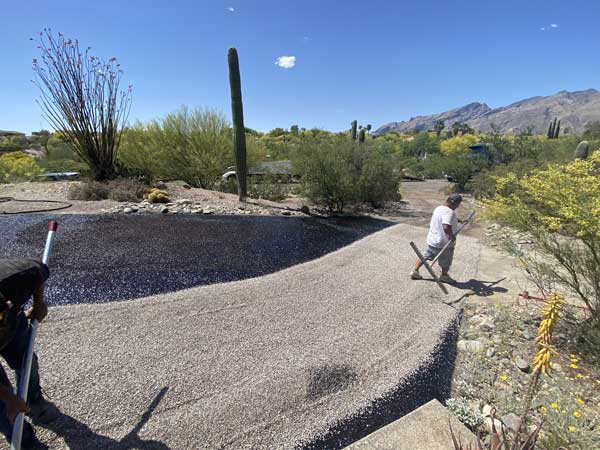
workers asphalting

What Is Asphalt Sealcoating?

Asphalt sealcoating is a protective surface treatment applied over existing asphalt to help reduce deterioration from sunlight, oxidation, moisture, traffic, and everyday exposure. It also restores the dark, uniform appearance associated with well-maintained asphalt.

Sealcoating works best as preventive maintenance on pavement that is still structurally sound. Cracks, potholes, failed areas, or other significant damage should be addressed before the sealcoat is applied. APS provides professional sealcoating for residential driveways, commercial parking lots, and private asphalt surfaces throughout Tucson, Phoenix, and surrounding Arizona communities.

Learn how the asphalt sealcoating process works →

How Asphalt Sealcoating Helps Protect Commercial Pavement

For commercial properties, sealcoating can be an important part of a preventive asphalt maintenance plan. Parking lots, drive lanes, and other paved areas are exposed to Arizona sun, seasonal rain, vehicle traffic, and surface contaminants every day. When the underlying pavement is still in serviceable condition, sealcoating can help protect the surface and maintain a cleaner, more consistent appearance.

Safeguard Against Oxidation and Water Damage

Sunlight and oxidation gradually dry and age exposed asphalt, while water can enter existing cracks and contribute to further deterioration. Sealcoating adds a protective surface layer that helps reduce exposure to these elements. Existing cracks or damaged areas should be repaired before the sealcoat is applied.

Help Protect Against Oil and Vehicle Fluids

Commercial parking areas are regularly exposed to oil, fuel, and other vehicle fluids. A properly selected and applied sealcoat can add a protective barrier to the pavement surface, although spills should still be cleaned promptly and damaged areas should be addressed separately.

Restore Rich Blacktop Appearance

As asphalt ages, its surface can fade from dark black to gray. Sealcoating restores a darker, more uniform finish that can improve the appearance of parking areas, drive lanes, and other paved surfaces around a commercial property.

Support Long-Term Pavement Maintenance

Sealcoating is preventive maintenance, not a substitute for structural repair or replacement. When applied at the right stage of a pavement’s life, it can help slow surface deterioration and postpone more extensive rehabilitation. APS can evaluate the condition of the pavement and recommend whether sealcoating, repair, resurfacing, or another treatment makes the most sense.

Learn more about how to maintain your asphalt parking lot here >>

PROFESSIONAL ASPHALT SEALCOATING IN TUCSON AND PHOENIX

APS Chip Sealing & Asphalt Paving provides professional asphalt sealcoating for residential and commercial properties in Tucson, Phoenix, and surrounding Arizona communities. We evaluate the condition and use of each paved surface before recommending a treatment, so property owners can understand whether sealcoating is appropriate or whether repairs should be completed first.

Contact APS today to request a free estimate for your driveway, parking lot, or other asphalt surface.

Call us today!

We will handle all of your chipsealing and paving needs.

Frequently Questions and Aswers about Asphalt Sealcoating

Sealcoating helps protect asphalt from oxidation, moisture, sunlight, traffic wear, and everyday exposure while restoring a darker, more uniform appearance. When used as part of a preventive maintenance plan, it can also help delay more extensive pavement work.

Sealcoating is best used as preventive maintenance when the asphalt is still structurally sound. New asphalt should be allowed to cure before sealer is applied, and cracks, potholes, failed areas, or other significant damage should be repaired first. APS can inspect the pavement and determine whether sealcoating or another treatment is the better option.

A common maintenance interval is around every two to three years, but the right schedule depends on pavement condition, traffic, sun exposure, previous applications, and the sealcoat product being used. APS can evaluate the surface and recommend a maintenance schedule based on actual conditions.

For residential maintenance specifically, see our driveway sealcoating guide.

Sealcoating should be scheduled during a dry weather window that meets the temperature and curing requirements of the product being applied. Many professional products require temperatures of at least 50°F and rising, along with enough dry weather for the coating to cure properly. APS evaluates current conditions before scheduling an application.

Commercial parking lots face regular traffic, sunlight, moisture, and vehicle fluids. Sealcoating can help protect a serviceable asphalt surface and maintain a clean, professional appearance. If a parking lot already has significant cracking, potholes, or failed areas, repairs or resurfacing may be needed before sealcoating.

A professional sealcoating project typically includes inspecting and cleaning the pavement, completing necessary repairs, applying the appropriate sealcoat, and allowing sufficient curing time before reopening the surface to traffic.

See how the asphalt sealcoating process works step by step.

Most surfaces dry in 4–8 hours, but we recommend waiting 24–48 hours before heavy use or driving on the surface to ensure proper curing—especially in cooler or shaded areas.

For asphalt that is still structurally sound, sealcoating can be a cost-effective part of preventive maintenance. It helps protect the surface from weathering and everyday exposure and can help postpone more extensive pavement work. If the asphalt already has significant structural damage, repair, resurfacing, or repaving may be the better investment.

TOP